

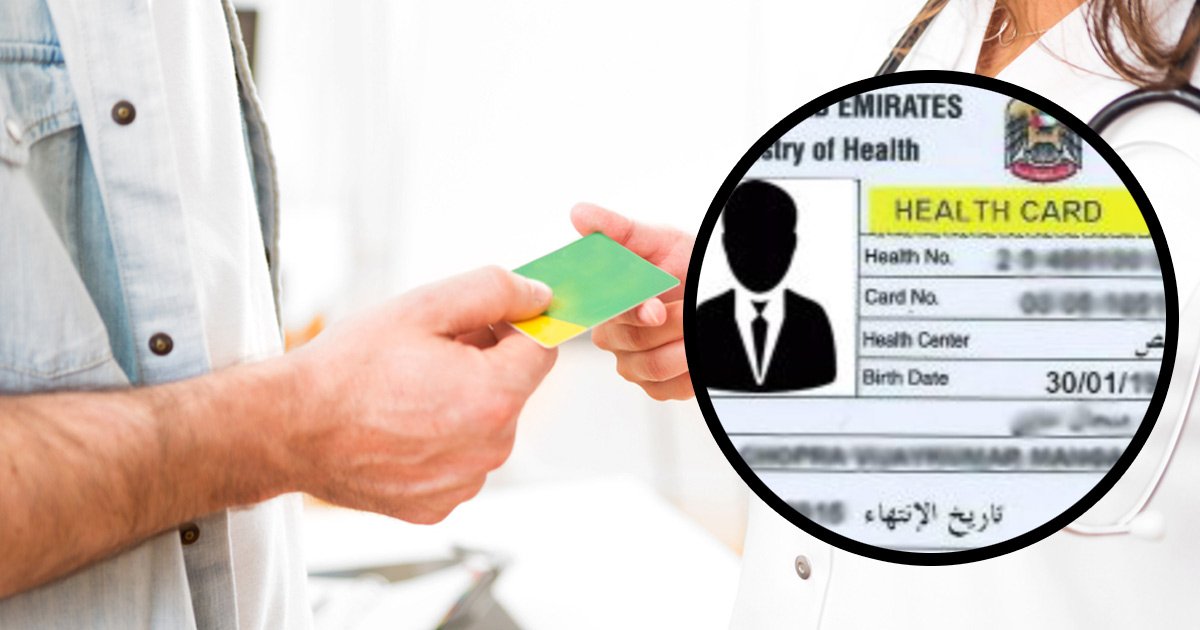

Occupational Health Cards (OHCs) are a must-have in Dubai for keeping workers safe and healthy across all kinds of industries. These cards are key to staying compliant with health laws, stopping work-related illnesses before they start, and building a safer, more productive workplace. In this quick, all-in-one guide, we’ll break down everything you need to know about OHCs — who needs one, how to get it, and what services come with it.
1. What is an Occupational Health Card?
An Occupational Health Card (OHC) is basically your official health clearance, issued by a certified medical authority, proving you’re fit to work in your specific job role. It’s a non-negotiable requirement for workers in high-risk industries like construction, manufacturing, hospitality, and healthcare.
This card isn’t just a formality — it ensures workers go through essential health checks and helps employers keep the workplace safe and compliant. For both employees and companies, the OHC is a crucial document that confirms everyone’s meeting the health and safety standards set by Dubai’s government.
2. Who Needs an Occupational Health Card?
In Dubai, the Occupational Health Card is a mandatory requirement for workers in certain industries. These include:
- Construction Workers: With the tough physical demands and regular contact with hazardous materials, construction crews must have a valid OHC to stay on site.
- Manual Laborers: If your job involves heavy lifting or working around chemicals or dust, you’ll need this card for your protection and peace of mind.
- Domestic Workers: Certain roles — like housemaids or live-in helpers — may require an OHC depending on the specific tasks and work conditions.
- Healthcare Workers: Whether you’re in a hospital, clinic, or lab, being medically cleared helps prevent the spread of infectious diseases.
- Hospitality Staff: If you’re handling food or working directly with guests in hotels or restaurants, an OHC proves you’re healthy and fit for the role.
- Not Everyone Needs an OHC
Some roles come with minimal health risks — and for those, an Occupational Health Card might not be required. For example, office staff or employees working in low-risk, desk-based environments are often exempt. It’s up to the employer to assess each role and decide whether an OHC is necessary, based on the level of risk involved.
3. Why is the Occupational Health Card Important?
The Occupational Health Card is a critical part of ensuring a safe and healthy workplace in Dubai. Here’s why it’s essential:
- Stays on the Right Side of the Law
An OHC keeps both employers and employees compliant with Dubai’s health and safety regulations. It helps prevent the spread of disease and ensures every worker is physically fit for the job. - Catches Health Issues Early
Regular medical screenings required for the OHC help spot potential health problems before they become serious — especially for those working in high-risk environments exposed to chemicals, stress, or physical strain. - Boosts Productivity
Healthy workers mean fewer sick days and on-the-job injuries. When employees are fit for their roles, they work better, faster, and safer. - Avoids Legal Trouble
Employers who skip OHCs risk facing fines or legal action. On the flip side, workers without a valid card could face suspension or even lose their jobs.
4. How to Apply for an Occupational Health Card in Dubai?
Obtaining an Occupational Health Card is a straightforward process. Here’s how you can apply:
Step-by-Step Guide for Workers:
- Visit an Approved Health Center
Kick things off by heading to a health center approved by the Dubai Health Authority (DHA) or Emirates Health Services (EHS). Only licensed centers can issue valid OHCs. - Complete Your Medical Screening
At the clinic, you’ll go through a series of health checks, which typically include:
- Vision and hearing tests
- Blood pressure check
- Screenings for Tuberculosis (TB) and other infectious diseases
- Blood tests to detect any underlying conditions
- Submit the Required Documents
Make sure you bring:
- Your Passport or Emirates ID
- Proof of employment (such as a job contract or company letter)
- A recent passport-sized photo
- Pay the Applicable Fee
There’s a fee for the medical exam and issuing the card. Costs can vary depending on the health center, so it’s a good idea to check ahead. - Receive Your OHC
Once your medical results are all clear, you’ll be issued your Occupational Health Card. It’s usually valid for 1 to 2 years, depending on current regulations.
Do you know: Sheikh Hamdan Announced The Top Performing Government Entities In Customer And Employee Happiness (2021)
Step-by-Step Guide for Employers
Employers can apply for the Occupational Health Card on behalf of their workers, especially for large-scale businesses or construction projects. The steps for employers include:
- Collecting necessary documents from their employees
- Scheduling medical checkups at an approved health center
- Ensuring all workers undergo medical screenings before issuing the card
5. Occupational Health Card Fees and Validity
The fees for the Occupational Health Card vary depending on the health center and the type of tests required. On average, the cost can range from AED 100 to AED 300. Employers may choose to cover these costs for their workers.
OHC Validity & Renewal
Your Occupational Health Card (OHC) is usually valid for 1 to 2 years, depending on your job and current regulations. Once it expires, you’ll need to go through another medical screening to renew it.
Staying up to date with your OHC isn’t just a formality — it’s key for ongoing health monitoring, especially if you work in high-risk industries like construction, healthcare, or hospitality.
6. Health Services Involved in Issuing the Occupational Health Card
Several health centers and services are involved in issuing the Occupational Health Card in Dubai, including:
- Dubai Health Authority (DHA):
The DHA operates a network of licensed clinics across Dubai, making it easy for workers to access medical exams required for the OHC. - Emirates Health Services (EHS):
EHS oversees public health services and partners with DHA to offer medical screenings and issue OHCs across the emirate. - Private Health Centers:
Several private clinics and hospitals are also authorized to issue Occupational Health Cards. These facilities often offer faster processing times, though they may come with higher fees.
What to Expect During the Medical Screening
As part of the OHC process, you’ll go through a health check that typically includes:
- Vision and hearing tests
- Tuberculosis (TB) screening
- Blood tests to detect any hidden health conditions
These screenings help confirm that you’re fit and healthy for your job role — and they play a key part in keeping workplaces safe and compliant.
7. Common Issues with Occupational Health Cards
Sometimes, workers or employers may face challenges when applying for or renewing an Occupational Health Card. Some common issues include:
- Processing Delays
It can take several days to complete the medical exams and receive your OHC. To avoid last-minute stress, apply early and plan ahead — especially if your job start date is coming up. - Health Test Failures
Sometimes, workers may not pass certain medical screenings like TB tests or blood work. If that happens, additional treatment or retesting will be required before the card can be issued. - Incorrect or Missing Documents
One of the most common reasons for delays is incomplete or incorrect paperwork. Employers should double-check that all required documents — like IDs, employment letters, and photos — are submitted correctly.
8. Occupational Health Cards for Specific Industries
Certain industries have specific health requirements for workers. For example:
- Construction
Construction workers undergo medical exams to confirm they’re physically capable of performing demanding tasks and working safely around hazardous materials and environments. - Healthcare
Medical staff in hospitals, clinics, and labs are at a higher risk of exposure to infectious diseases. That’s why they’re required to take specific tests — including screenings for tuberculosis (TB) and other communicable illnesses. - Hospitality & Food Services
Anyone handling food or working in guest-facing roles — like in restaurants, hotels, or food manufacturing — must prove they’re free from contagious diseases that could be passed through food or close contact.
9. Frequently Asked Questions (FAQs)
An Occupational Health Card is usually valid for 1 to 2 years, depending on the job type and regulatory requirements. Once it expires, workers must renew it by completing a new round of medical screenings to ensure they’re still fit for work.
Who is exempt from getting an OHC?
Employees in low-risk roles, such as office staff or those in administrative positions, are generally not required to obtain an Occupational Health Card.
Can an employer apply on behalf of an employee?
Yes! Employers are allowed to submit documents and book medical screenings on behalf of their employees.
Is the OHC mandatory for all sectors?
No. The OHC is only mandatory for workers in high-risk industries like construction, healthcare, hospitality, and food handling — where exposure to health hazards is higher.
How can I check my OHC application status?
You can track your application through the health center where you applied or by logging into the relevant government portal (e.g., Dubai Health Authority or Emirates Health Services).
10. How to Renew Your Occupational Health Card in Dubai
Renewing your OHC is simple — just follow these steps:
- Visit an Authorized Health Center
Book an appointment at a DHA-, EHS-, or MOH-approved clinic for your required medical screening. - Submit Documents & Pay Fees
Bring any updated documents (like your Emirates ID or job contract) and pay the renewal fee — the cost may vary by clinic. - Receive Your Renewed Card
Once your health checks are cleared, you’ll get your renewed OHC, valid for another 1–2 years depending on your job role.
11. Penalties for Non-Compliance
Penalties for Not Complying with Occupational Health Card Rules
Both workers and employers can face serious consequences if they don’t follow OHC regulations:
- For Workers: Not having a valid OHC can lead to job suspension or even termination.
- For Employers: Failing to ensure employees have valid OHCs can result in hefty fines and other legal penalties.
It’s crucial for employers to stay on top of compliance to keep their teams safe and avoid any legal headaches.
12. Key Takeaways
Why the Occupational Health Card (OHC) Matters
The OHC is key to keeping Dubai workplaces safe and healthy. If you work in a high-risk industry, having a valid OHC isn’t optional — it’s a must. Employers also have a big responsibility to make sure their teams get the necessary health screenings and keep their cards up to date.
The good news? Applying and renewing your OHC is pretty straightforward — as long as everyone stays on top of the deadlines and knows what’s required.
Conclusion
The Occupational Health Card isn’t just about ticking legal boxes — it’s a vital part of creating safer workplaces, protecting employee health, and cutting down on work-related illnesses. For both employers and workers, knowing how to apply for and renew the OHC is key to staying compliant with Dubai’s health and safety rules. Follow this guide, and you’ll keep things running smoothly while fostering a healthier, more productive work environment.