

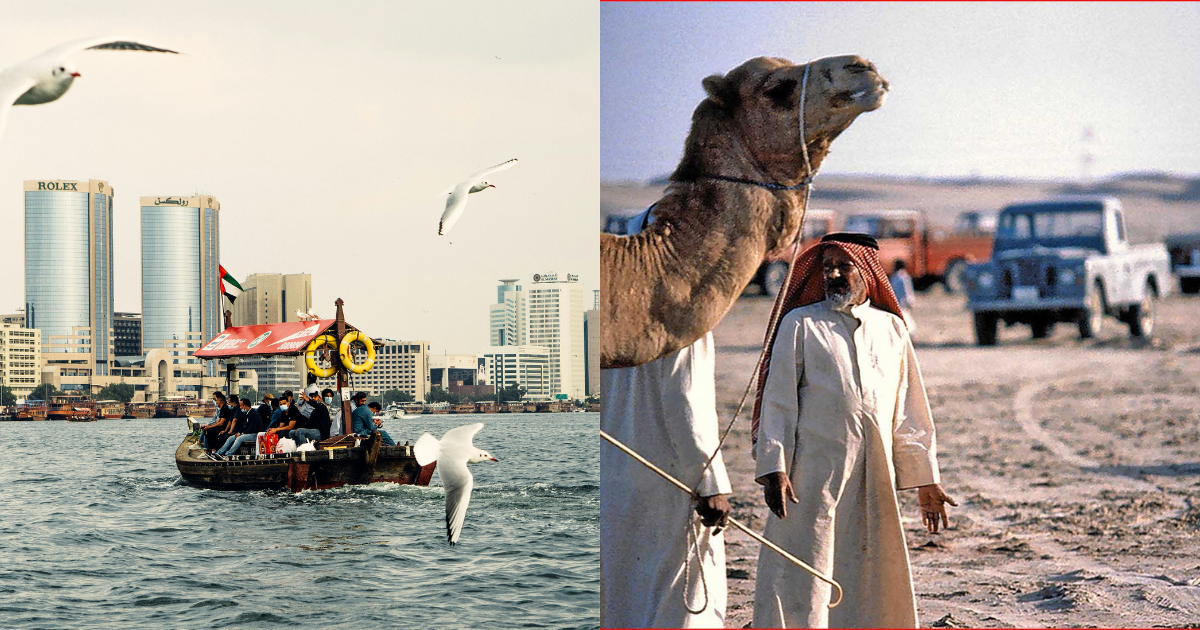

In this edition of the UAE Heritage Files, we’re diving into the nation’s rich past through a fresh perspective—one driven by curiosity and a thirst to uncover the roots of the events that shaped this country. There’s so much about the seven Emirates that often flies under the radar. Whether it’s due to the lightning-fast development, the wave of western influence, or the unique local-to-expat dynamic, these historical gems tend to fade into the background.
The last pearl divers…
View this post on Instagram
Did you know that the UAE’s last commercial pearl diving expedition is believed to have happened in the late 1960s? The final major season wrapped up in 1969, marking the end of an era as booming new industries reshaped the nation’s workforce.
Before oil changed everything, pearl diving—alongside fishing—was the heartbeat of the local economy. The demand for the coveted Emirati pearl, known for its rarity and quality, drove divers to spend months at sea chasing what was once the UAE’s most prized natural treasure.
The early inhabitants…
View this post on Instagram
Some might think of the UAE as a young nation—and in terms of its current unified form, that’s true. But the roots of civilisation on this land stretch back thousands of years.
Did you know that ancient civilisations like Dilmun and Magan were thriving here as far back as 3000 BC? These early cultures were deeply connected through trade with powerhouses like Mesopotamia, the Sumerians, and the Indus Valley. They were especially known for their expertise in copper mining and commerce, making this region a key player in early global trade networks.
The history of fragrance…
View this post on Instagram
Perfume holds a special place in the heart of this country—but its story goes way beyond luxury and scent. It’s actually tied to a rich legacy of ancient trade.
Fun fact: the southern coast of what is now the UAE played a key role in the booming frankincense trade between the 1st century BCE and the 3rd century CE. This aromatic resin was a prized commodity in places like ancient Egypt and Rome. As part of the legendary Incense Route, traders moved frankincense from the Arabian Peninsula all the way to Europe and Asia, making the region an essential hub in global trade long before the modern era.
The Olympics
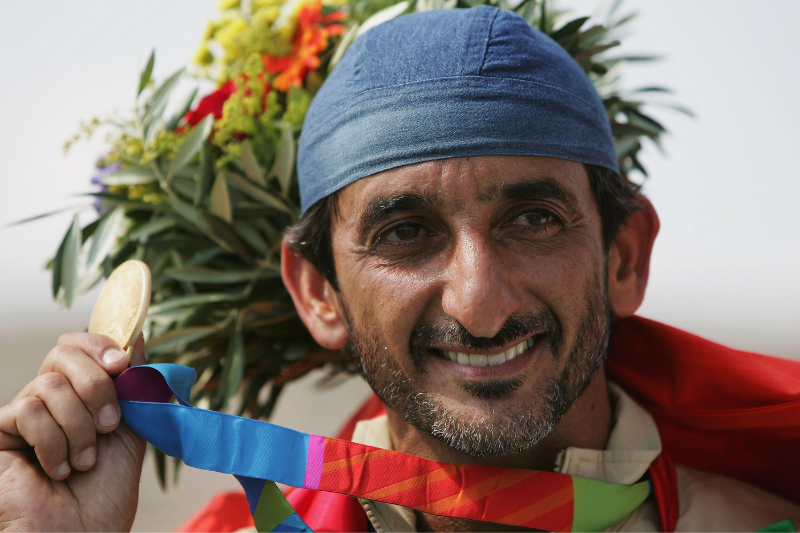
Did you know the UAE made Olympic history in 2004 at the Athens Summer Games? His Highness Sheikh Ahmad bin Mohammad bin Hasher Al Maktoum, a proud member of Dubai’s ruling family, secured the nation’s very first—and so far, only—Olympic gold medal. He dominated the men’s double trap shooting event, marking a milestone moment for the UAE on the global sports stage.
The Firsts
View this post on Instagram
Did you know that Al Bidya Mosque, nestled just outside Fujairah in the village of Al Bidya, is a cultural gem with deep historical roots? Believed to have been built sometime between the mid-15th and 17th centuries, this mosque is one of the oldest in the UAE—making it around 600 years old and still standing strong as a symbol of the country’s rich heritage.
Despite its age, the mosque remains fully intact and continues to host daily prayers to this day—even as it draws in curious tourists. Modest in size, the structure features small wall cut-outs for windows and a simple, functional design crafted from the materials available at the time. Its historical and cultural value has earned it a spot on UNESCO’s World Heritage List, cementing its status as a national treasure.
Making a change…
View this post on Instagram
Did you know that since 2004, camel racing in the UAE has taken a high-tech turn with the introduction of robot jockeys? This ancient sport, deeply rooted in the region’s culture and practiced across the GCC, has embraced innovation while preserving tradition.
The UAE led the way by being the first to ban human jockeys, officially enforcing the move on July 29, 2002. Just two years later, specially designed robot jockeys were introduced—and they’ve been racing ever since. Today, these robotic riders are steadily replacing human jockeys, marking a unique blend of heritage and technology.
Striking gold for the first time…
View this post on Instagram
We all know oil changed the game for the UAE—but here’s a bit of history you might not know. The country’s first oil discovery happened in 1958 at the Mubarek Oil Field in Abu Dhabi. It was uncovered by a consortium led by the California Arabian Standard Oil Company (CASOC), which many now remember as the Abu Dhabi Oil Company (ADOC).
By 1962, commercial oil production was in full swing—and from there, the UAE’s transformation began. The rest, as they say, is history.
The story of an island…
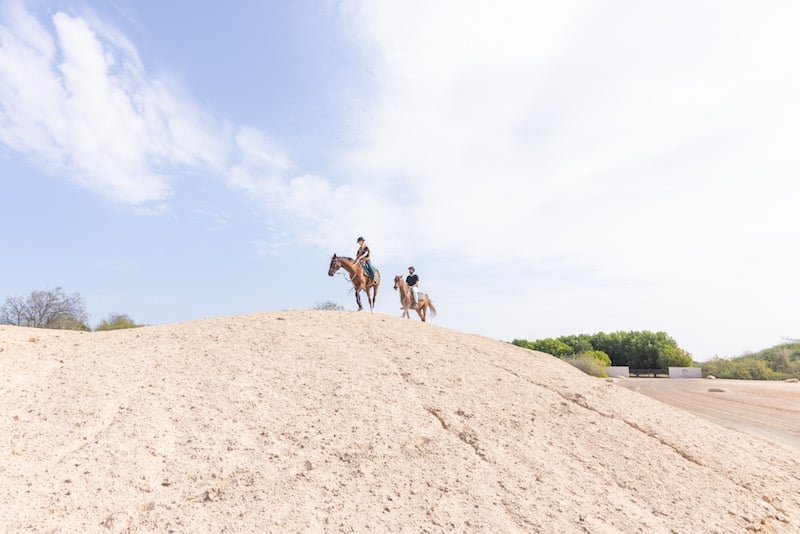
Did you know that Sir Bani Yas Island was home to a Christian monastery as far back as the 7th century? Archaeological digs in the 1990s uncovered the ruins of this ancient site, believed to be part of the Nestorian Christian Church. The monastery includes a complex of buildings—like a church, living quarters, and communal areas—hinting at a thriving, well-established community. In fact, it stands as one of the oldest known Christian sites in the UAE.
An unkown queen…
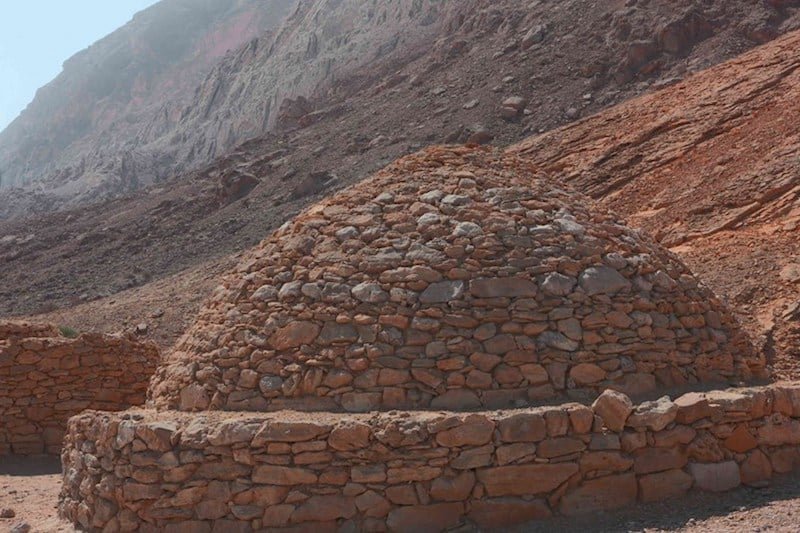
The Jebel Hafeet tombs near Al Ain are among the UAE’s oldest archaeological finds, offering a glimpse into life 5,000 years ago. But here’s an intriguing twist—did you know there might have been an unknown ruler buried there, lost to history? During excavations in the 1950s and 1960s, archaeologists uncovered a tomb unlike the others. Larger, more intricate in design, it appeared to have been built for a single, significant occupant, suggesting the presence of a notable figure from the past.
The tomb contained a wealth of artifacts—pottery, jewelry, and other grave goods—that point to the high status of the individual buried there, possibly even royalty or nobility. The layout and abundance of items suggest this person was of great significance. However, the exact identity of this mysterious figure remains a mystery, as the tomb has been looted over time, erasing any trace of who they might have been.
The hidden tunnels of Khor Fakkan…
Did you know that Khor Fakkan, tucked along the UAE’s east coast, hides a network of underground tunnels believed to date back to the early 1800s? These historic passageways were likely used by local tribes to store supplies—or even as escape routes during clashes with foreign powers like the Portuguese.
Still largely unexplored, the tunnels remain one of the UAE’s lesser-known archaeological mysteries. With little documentation available, they’ve sparked a mix of folklore, speculation, and curiosity about their true origins and purpose.